Capabilities

Thermal Spray

Our process portfolio includes plasma spray, HVOF, arc wire spray, and combustion-based deposition methods, allowing us to match coating materials and spray parameters to precise functional requirements.

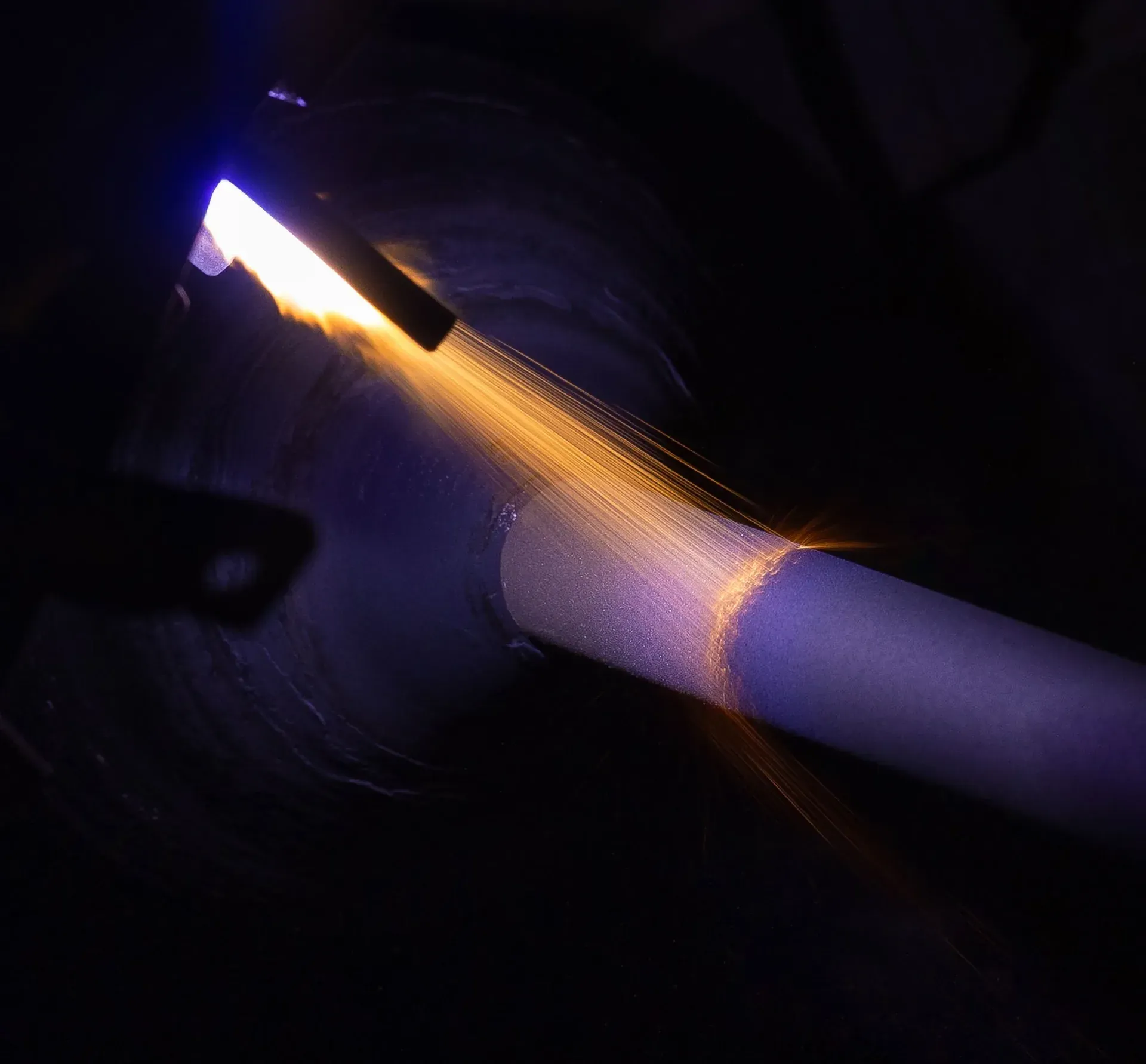
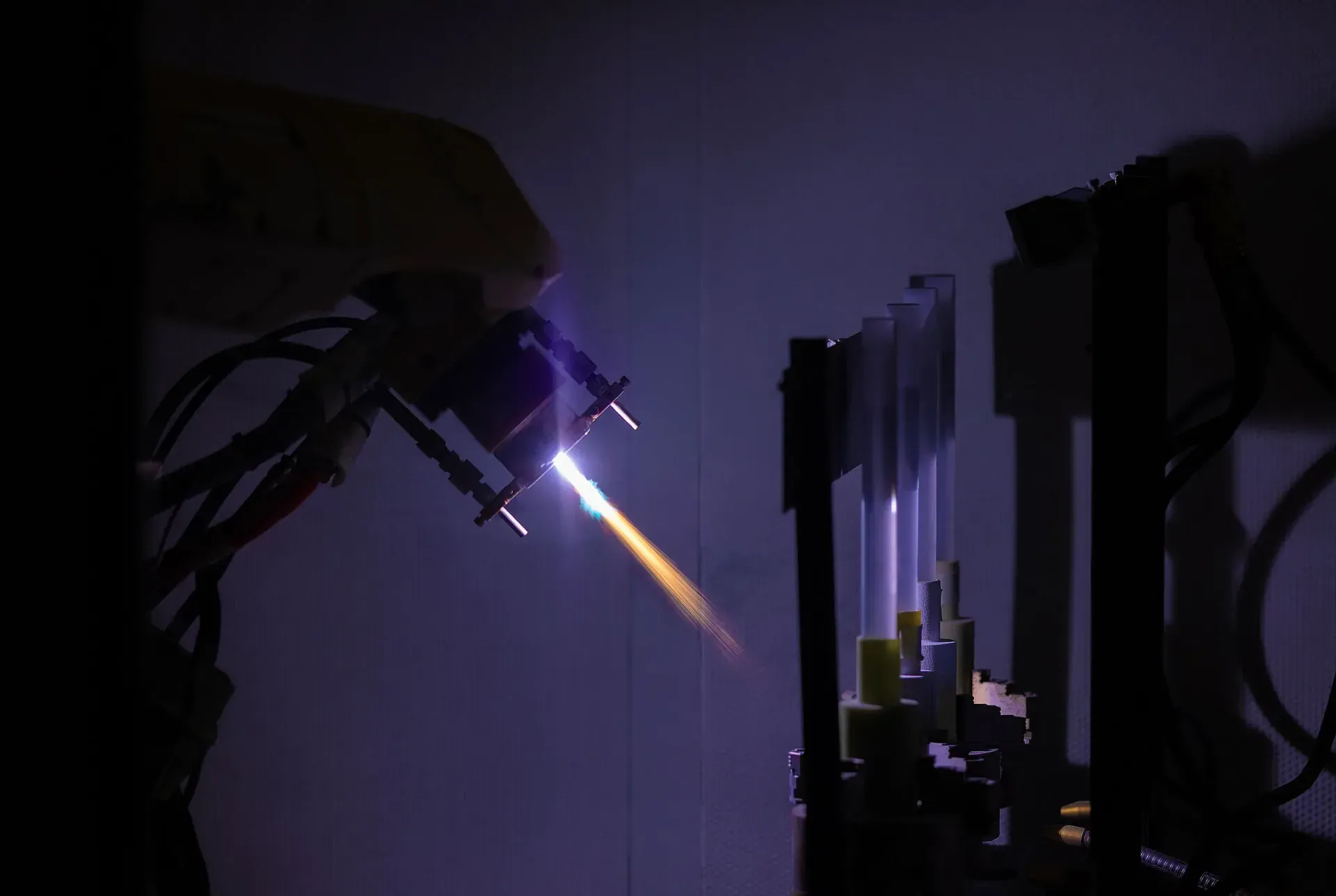
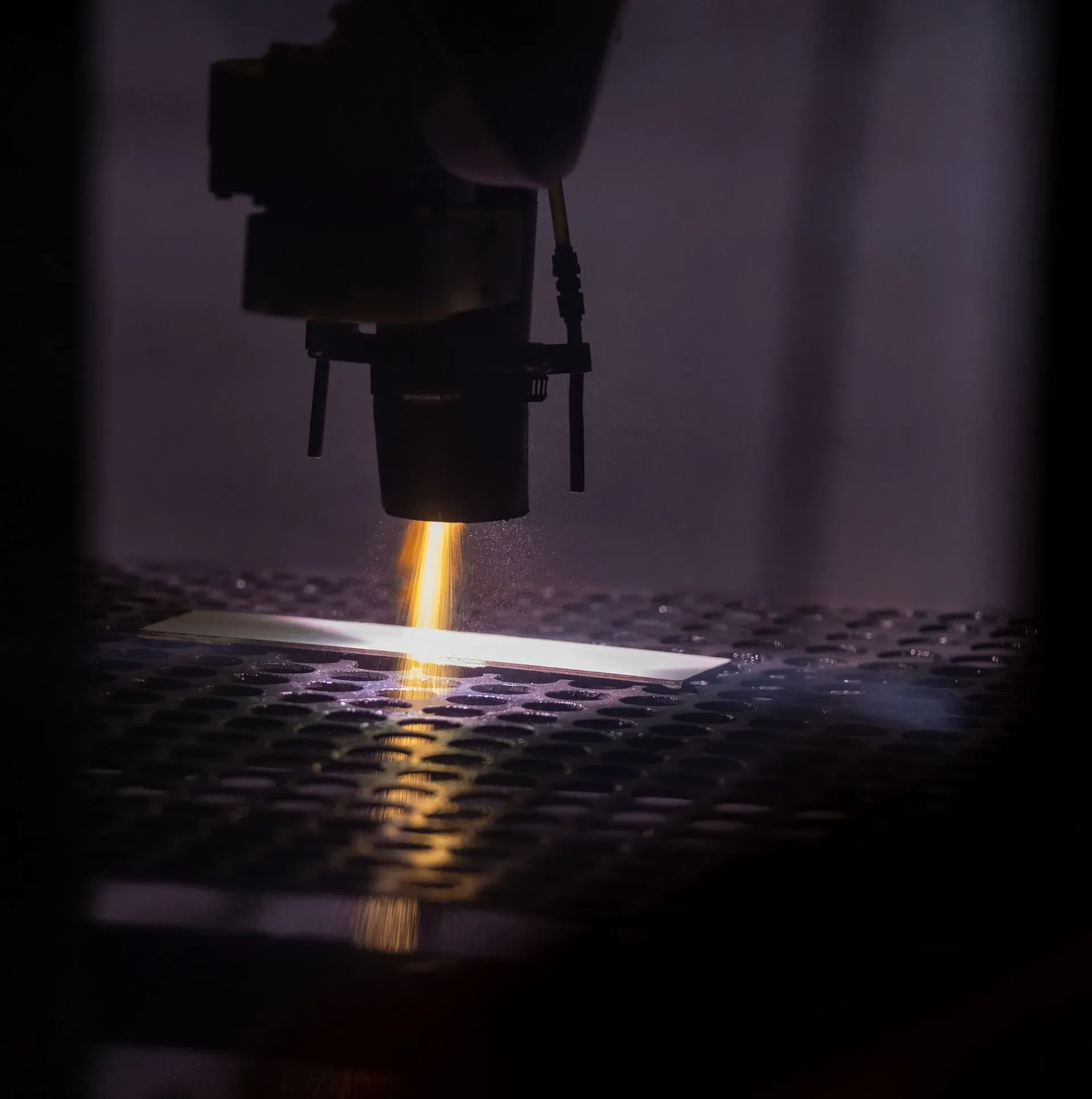
Thermal spray plume depositing coating onto a flat test coupon

Protecting What Powers Performance

Thermal spray is a family of deposition processes used to apply metallic, ceramic, carbide, cermet, and polymer coatings without altering the bulk properties of the substrate. Heated feedstock materials are accelerated toward a prepared surface, creating a bonded coating that delivers application-specific characteristics.

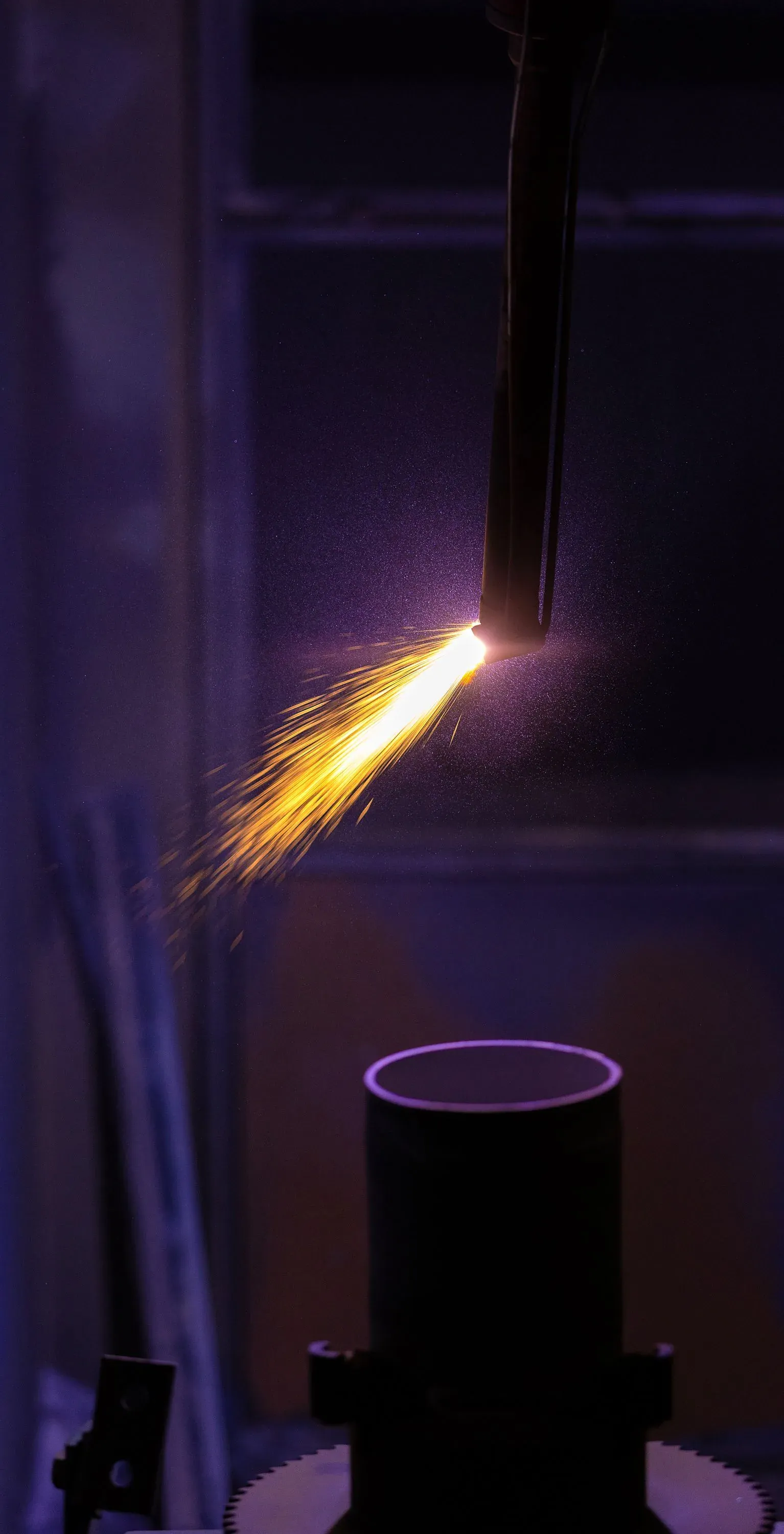
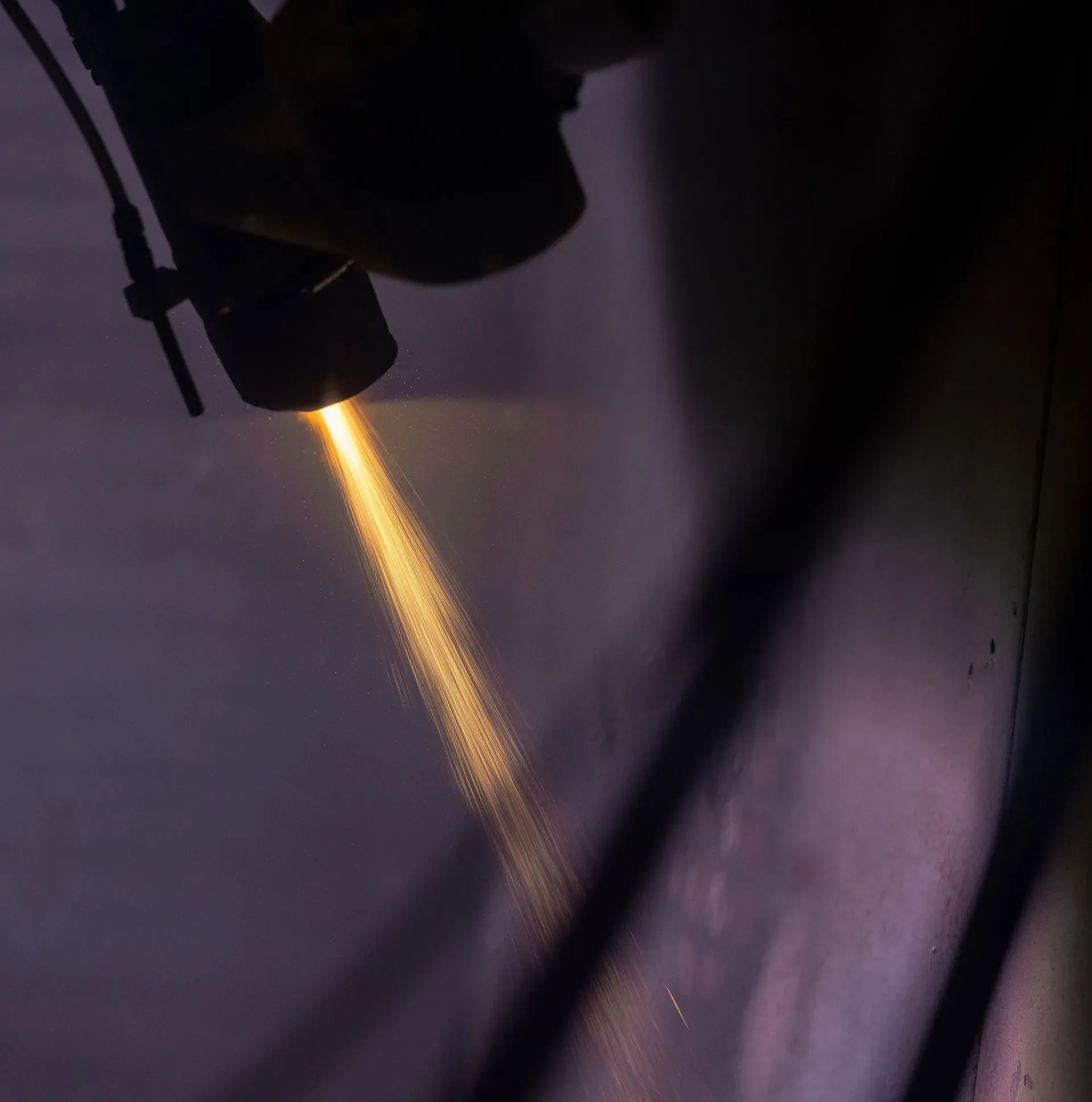
Plasma spray plume depositing coating onto a prepared surface
Processes

Thermal Spray Methods

Process selection plays a critical role in coating performance, bond integrity, microstructure, porosity, and operating reliability. APS Materials offers a broad range of thermal spray technologies to accommodate diverse material systems and application requirements.

Learn more about our coatings

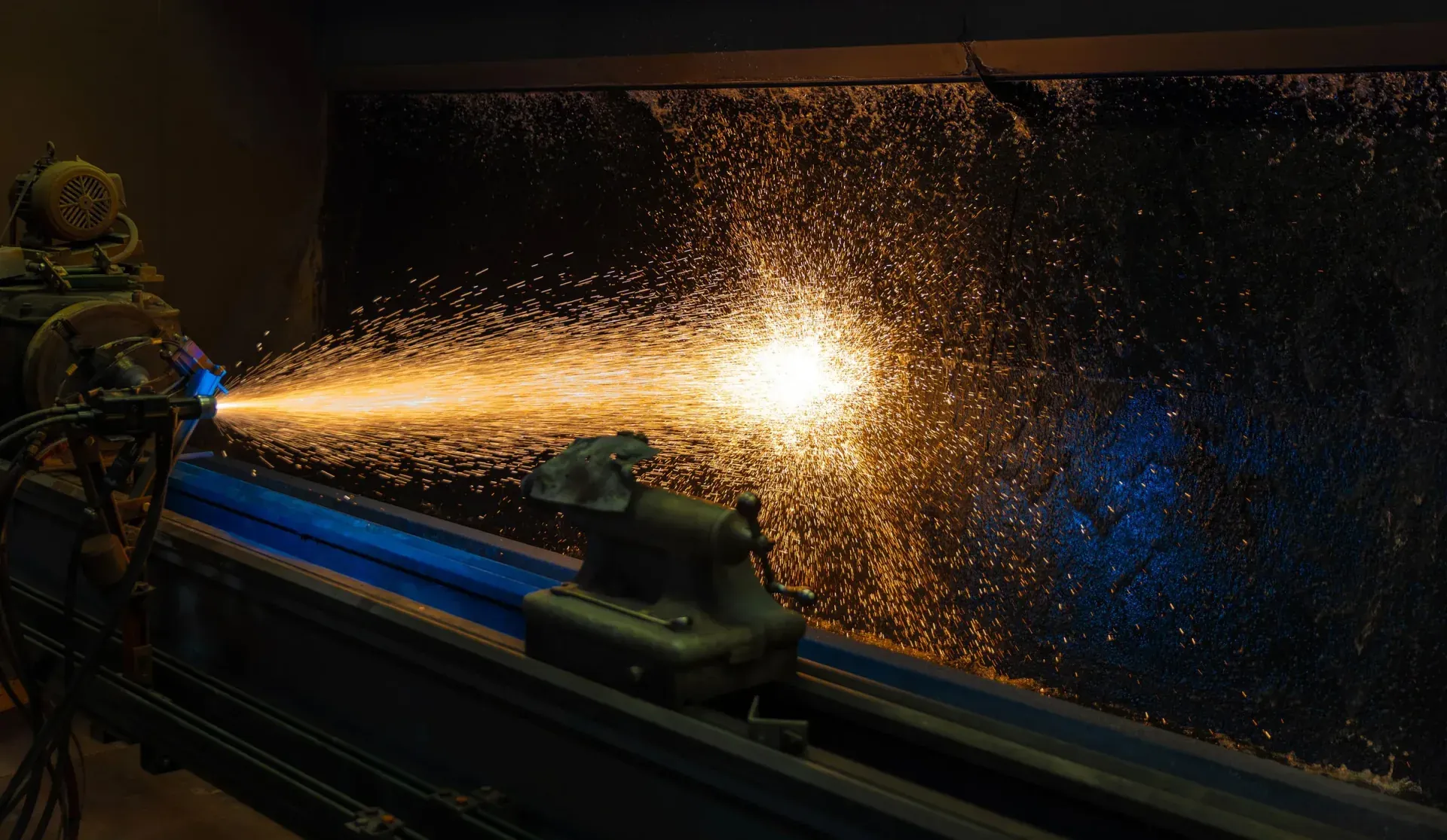
Flame wire spray depositing a metallic coating

Flame Wire Spray

Flame wire spray utilizes a consumable wire feedstock melted within a combustion flame and deposited onto the substrate surface. The process is widely used for metallic coatings requiring efficient deposition rates and economical dimensional restoration.

Typical Coatings

  • Iron-based alloys
  • Nickel-based alloys
  • Molybdenum
  • Aluminum, zinc, and their alloys

Main Applications

  • Wear resistance
  • Friction properties
  • Corrosion protection
  • Dimensional restoration
  • Electromagnetic shielding
Flame powder spray applying a coating to a component

Flame Powder Spray

Flame powder spray uses powdered metallic, ceramic, or cermet materials introduced into a combustion flame and deposited onto the substrate surface. The process accommodates a broad range of coating chemistries and functional surface requirements.

Typical Coatings

  • Iron-based alloys
  • Nickel-based alloys
  • Ceramics and Cermets
  • Abradables
  • Self-fluxing alloys

Main Applications

  • Wear resistance
  • Corrosion protection
  • Chemical resistance
  • Electromagnetic shielding
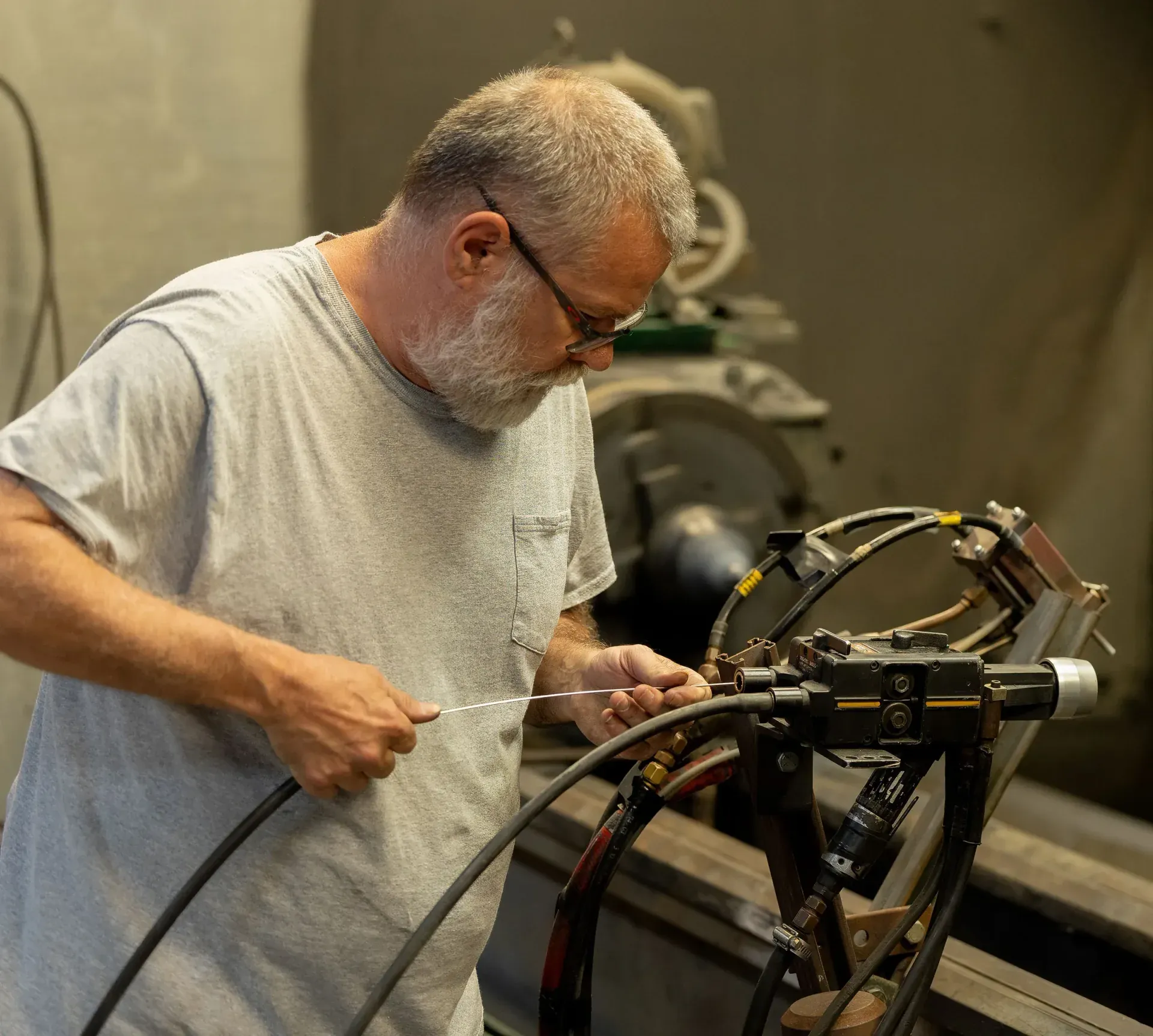
Operator setting up a twin-wire arc spray gun

Twin-Wire Arc Spray

Twin-wire arc spray generates molten material through an electric arc formed between two conductive wires. Compressed air atomizes and propels the material onto the substrate, producing coatings well suited for corrosion protection, dimensional restoration, and large-area deposition.

Typical Coatings

  • Iron-based alloys
  • Nickel-based alloys
  • Copper & copper alloys
  • Aluminum, zinc, and Al/Zn alloys
  • Babbitt alloys

Main Applications

  • Wear resistance
  • Friction properties
  • Corrosion protection
  • Dimensional restoration
  • Electromagnetic shielding
High-velocity oxygen fuel spray gun coating an internal diameter

HVOF

High-Velocity Oxygen Fuel (HVOF) utilizes a high-energy combustion process to accelerate coating particles at extremely high velocities. The resulting coatings exhibit exceptional bond strength, low porosity, and dense microstructures, making HVOF a preferred process for wear, erosion, and corrosion-related applications.

Typical Coatings

  • Nickel- and cobalt-based alloys
  • Iron-based alloys
  • Carbides and Cermets
  • MCrAlY

Main Applications

  • Wear resistance (sliding, abrasive, erosion, etc)
  • Chemical resistance
  • High temperature applications
  • Dimensional restoration
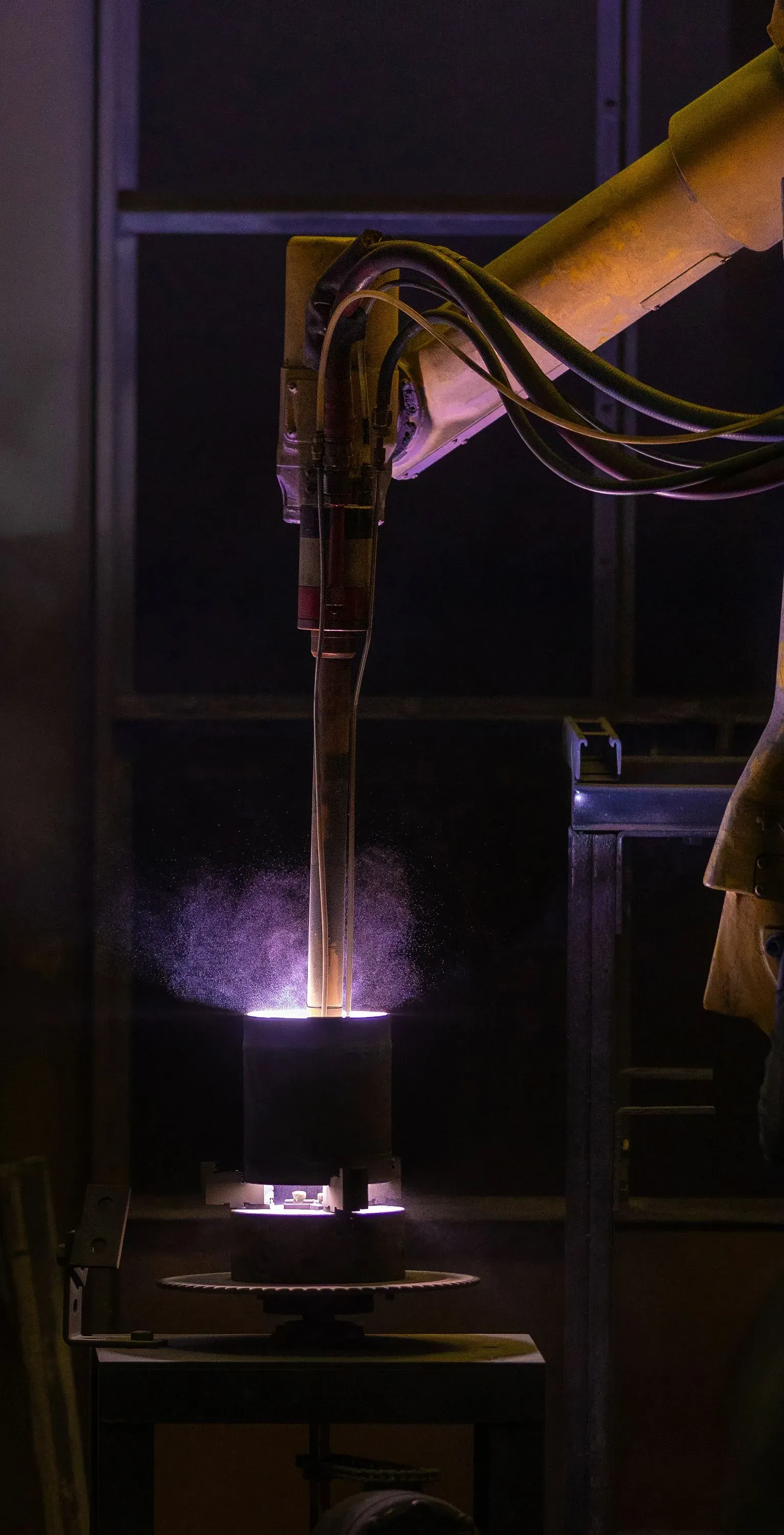
Atmospheric plasma spray coating a semiconductor bell jar

Atmospheric Plasma Spray

Atmospheric Plasma Spray (APS) employs a plasma arc to generate temperatures capable of depositing materials with extremely high melting points. The process is commonly used for ceramic coatings, thermal barrier coatings, abradables, and specialized material systems requiring controlled microstructures.

Typical Coatings

  • Ceramics
  • Carbides and Cermets
  • Iron-, nickel-, and cobalt-based alloys
  • Abradables

Main Applications

  • Wear resistance (sliding, abrasive, erosion, etc)
  • Corrosion resistance
  • Thermal barriers
  • Combinations
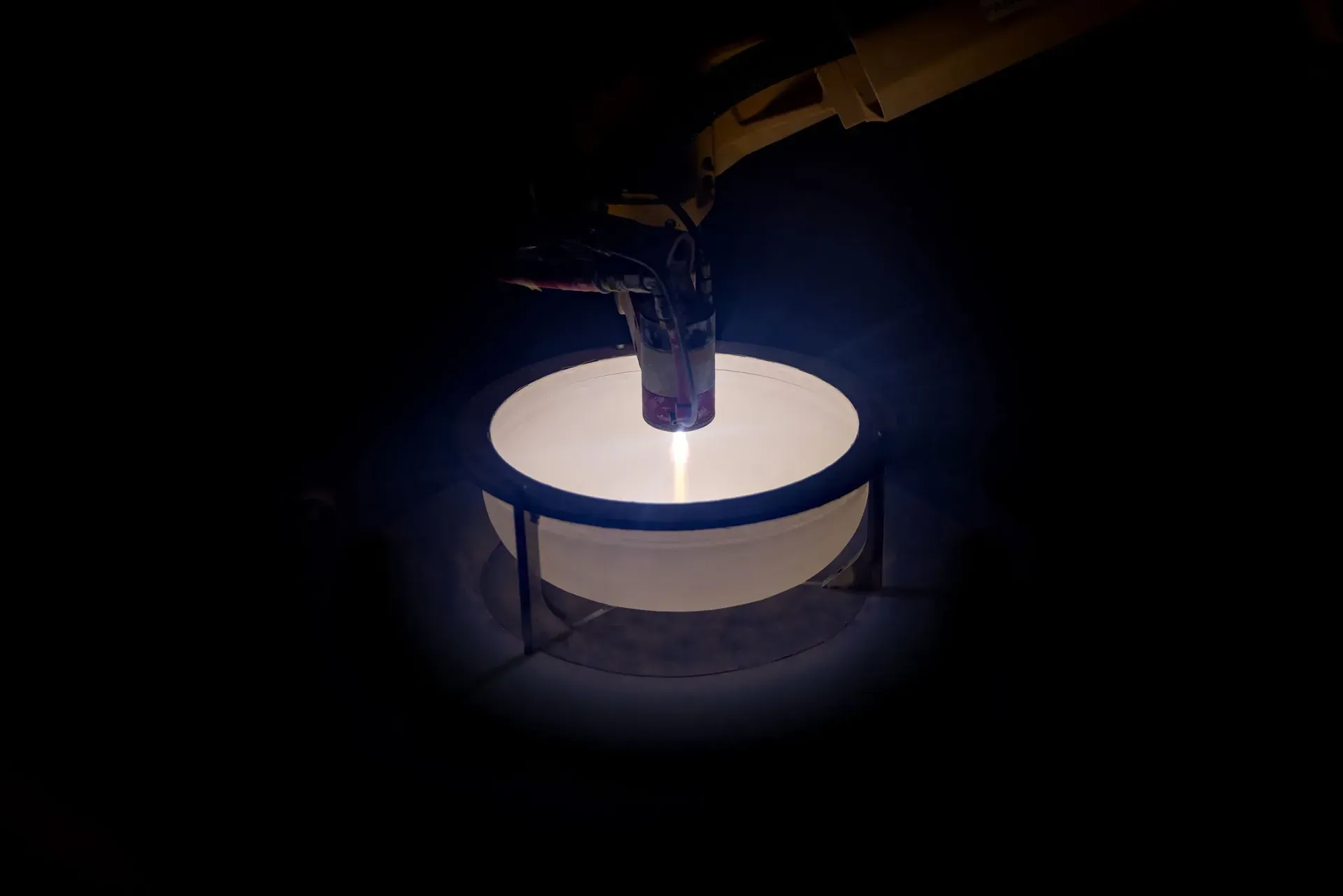
Vacuum plasma spray process in a controlled chamber

Low-Pressure Plasma Spray (LPPS) and Vacuum Plasma Spray (VPS)

LPPS and VPS are plasma spray processes performed in controlled low-pressure or vacuum environments. These technologies minimize oxidation during deposition and produce highly controlled coating microstructures for aerospace and other performance-driven applications.

Typical Coatings

  • MCrAlY
  • Ceramics over bond coats

Main Applications

  • Wear resistance
  • Corrosion resistance
In the Booth

Thermal Spray in Action

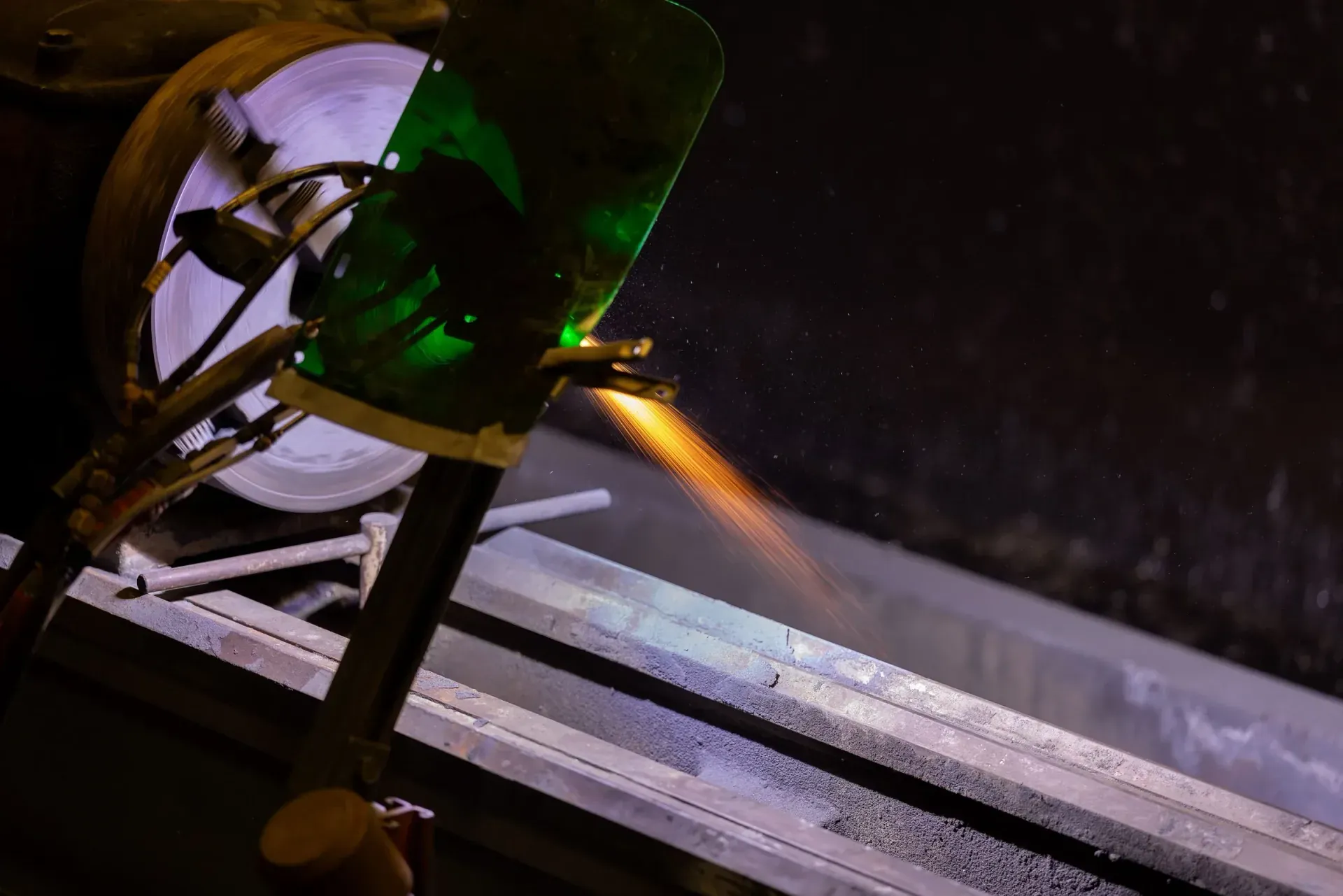
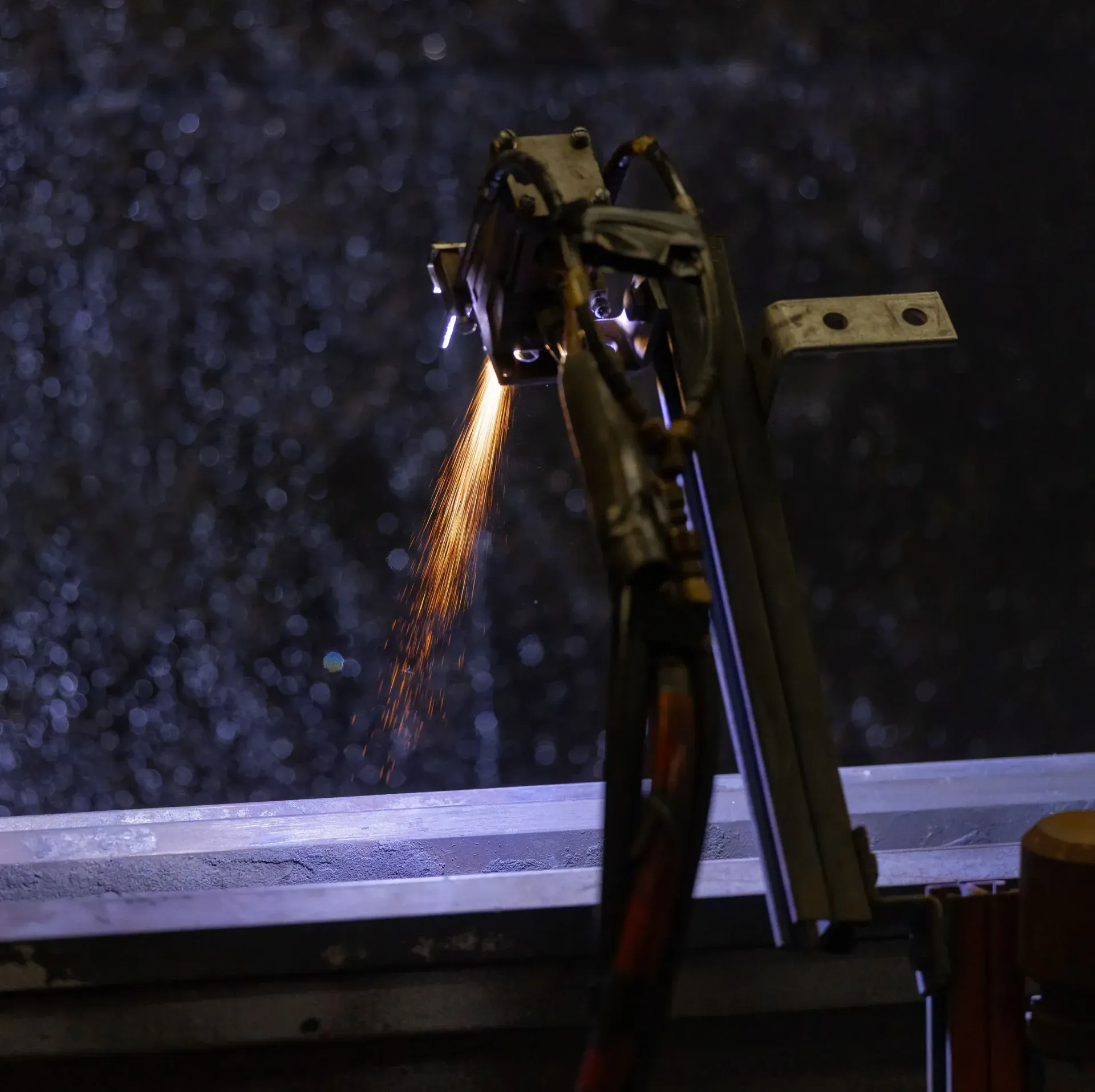
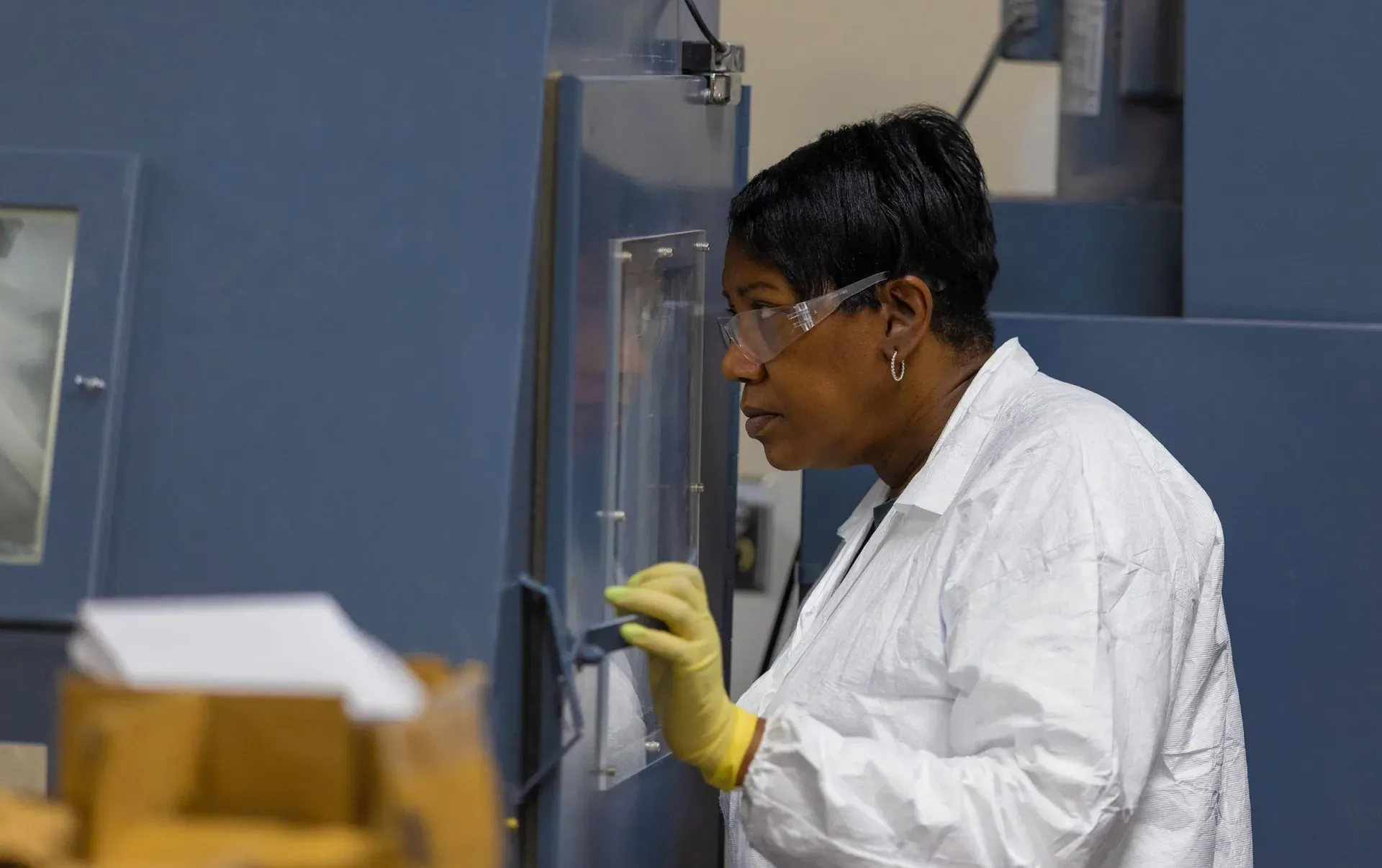
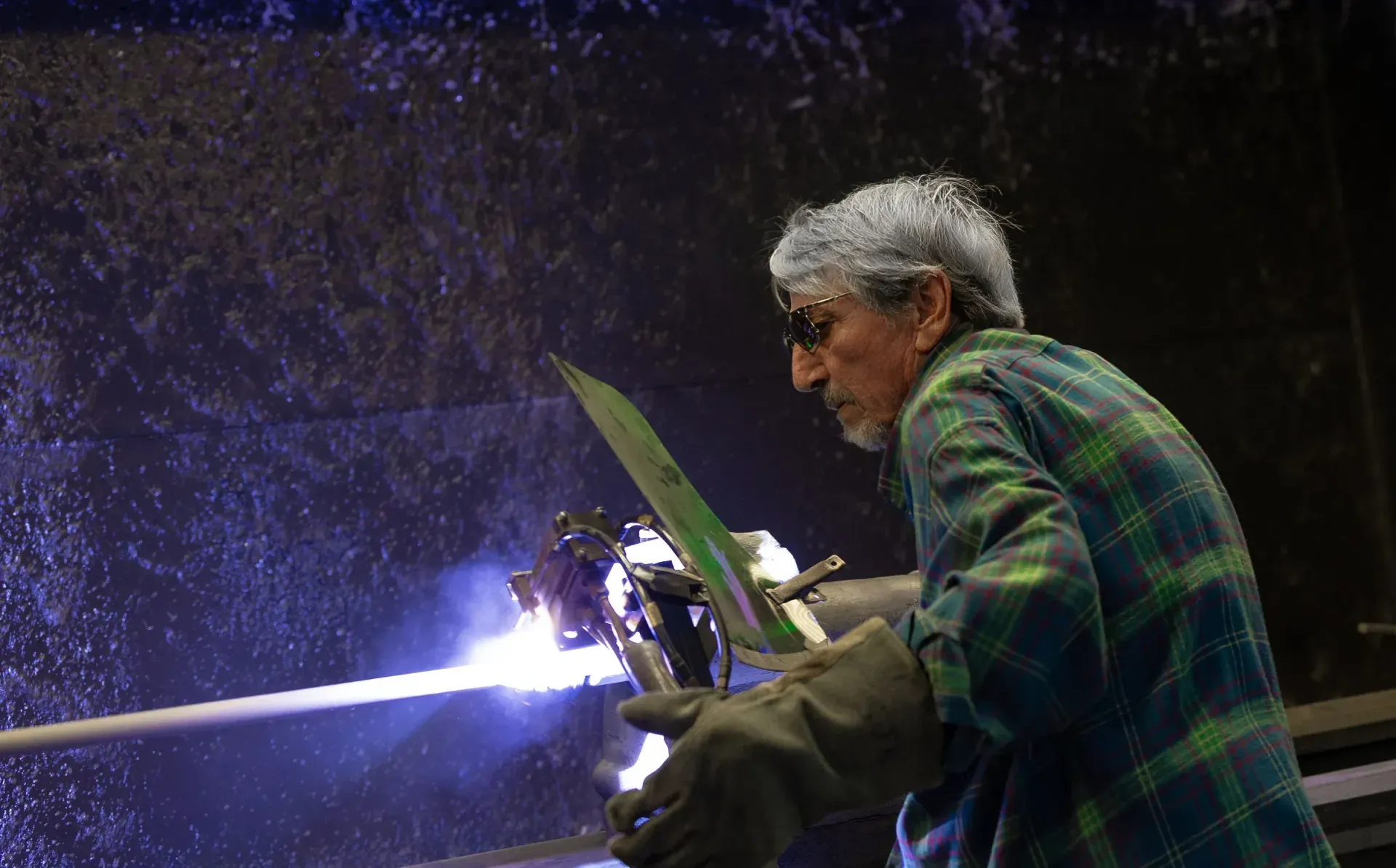
Every process is run in a dedicated, monitored spray cell with controlled parameters and full traceability from setup through final inspection.

Thermal Spray Expertise Backed by Materials Science

Discuss your project with our team to identify the thermal spray process, coating material, and deposition strategy best aligned with operating conditions, performance objectives, and manufacturing requirements.

Request a Quote
(937) 278-6547 [email protected] 4011 Riverside Drive, Dayton OH