Materials We Apply
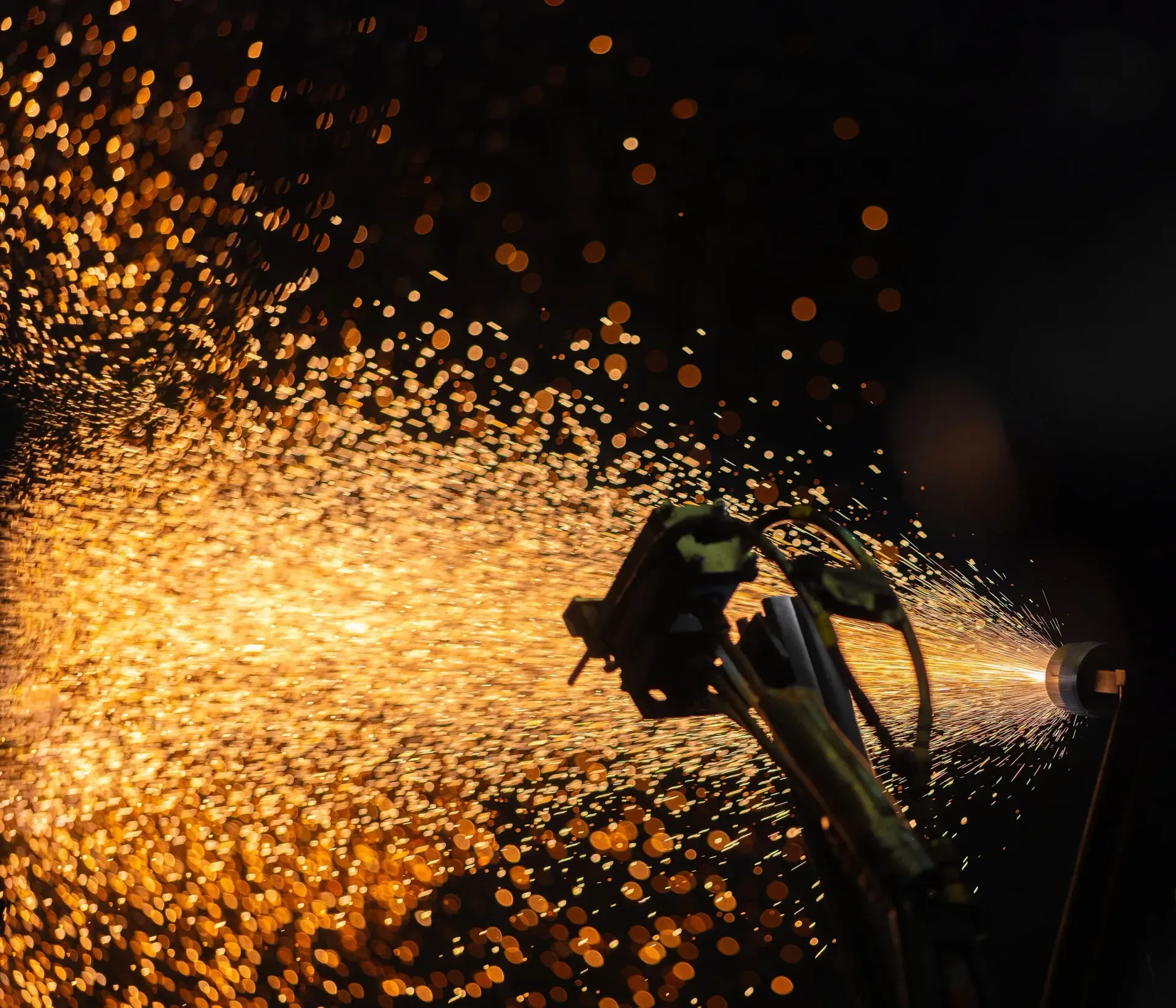
Material selection is matched to operating conditions, substrate, and performance objectives. These are the systems most often specified for this application.
Abrasion & Erosion Resistance
Coatings selected for applications exposed to particle impact, abrasive wear, erosion, and material loss. These materials provide durable substrate protection while helping maintain dimensional stability and operational consistency.
- Boron Carbide (B₄C)
- Cobalt–Chrome–Moly–Silicon
- Tungsten Carbide Cobalt Chrome (WC-CoCr)
Friction Management
Materials engineered to modify surface interaction characteristics, reduce friction, and promote controlled wear behavior across moving or contacting surfaces.
- Aluminum–Silicon (Al-Si)
- Nickel Graphite
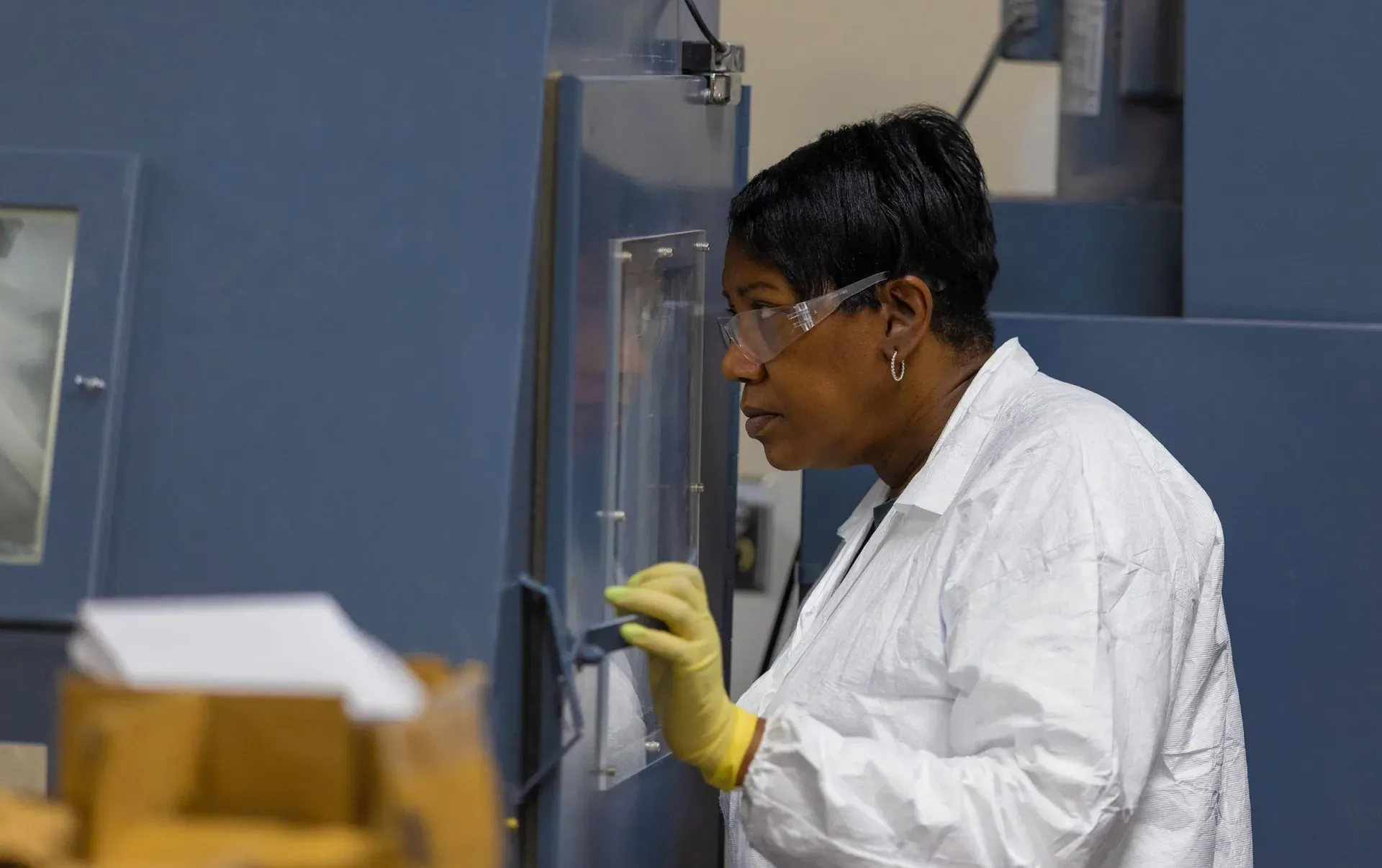
Protect Surfaces from Wear and Material Loss
Connect with our team to identify the coating materials and thermal spray processes best suited for your wear, erosion, and friction-related challenges.
Explore Other Coating Functions
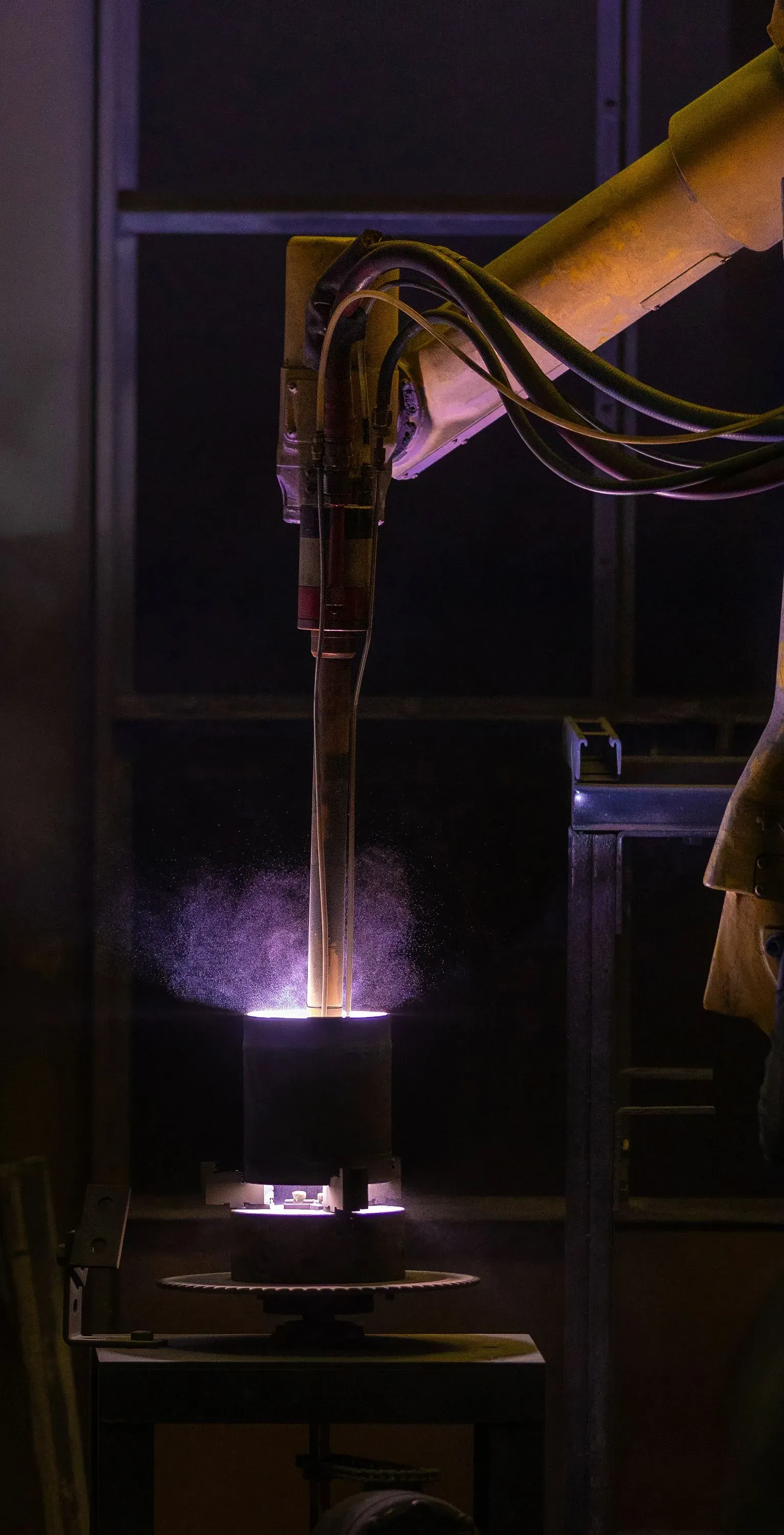
Thermal Management
Reduce heat transfer, improve thermal efficiency, and maintain dimensional stability in elevated-temperature applications.
Learn more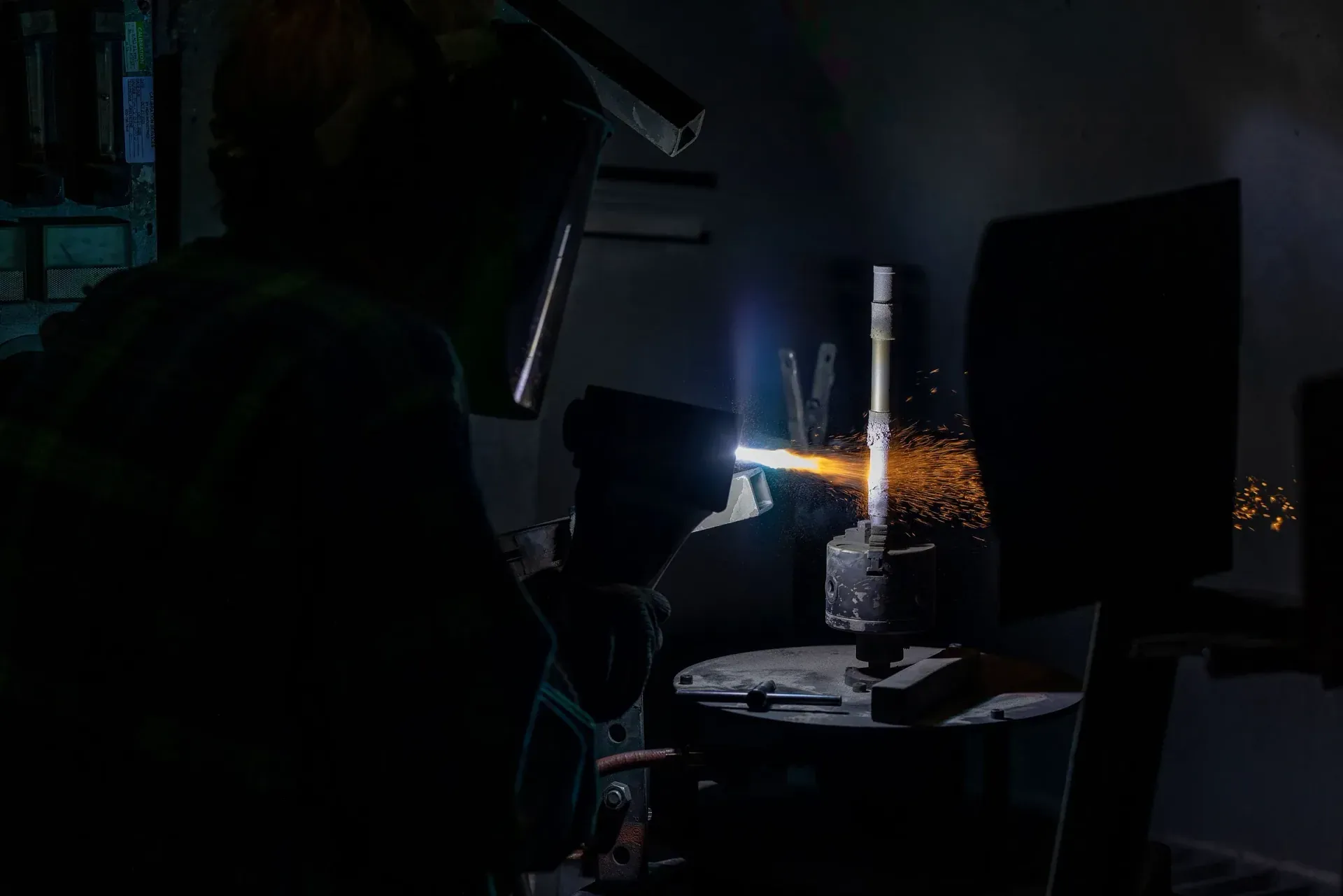
Corrosion & Environmental Protection
Shield substrates from oxidation, chemical attack, moisture intrusion, and environmental degradation, helping preserve material integrity in aggressive operating conditions.
Learn more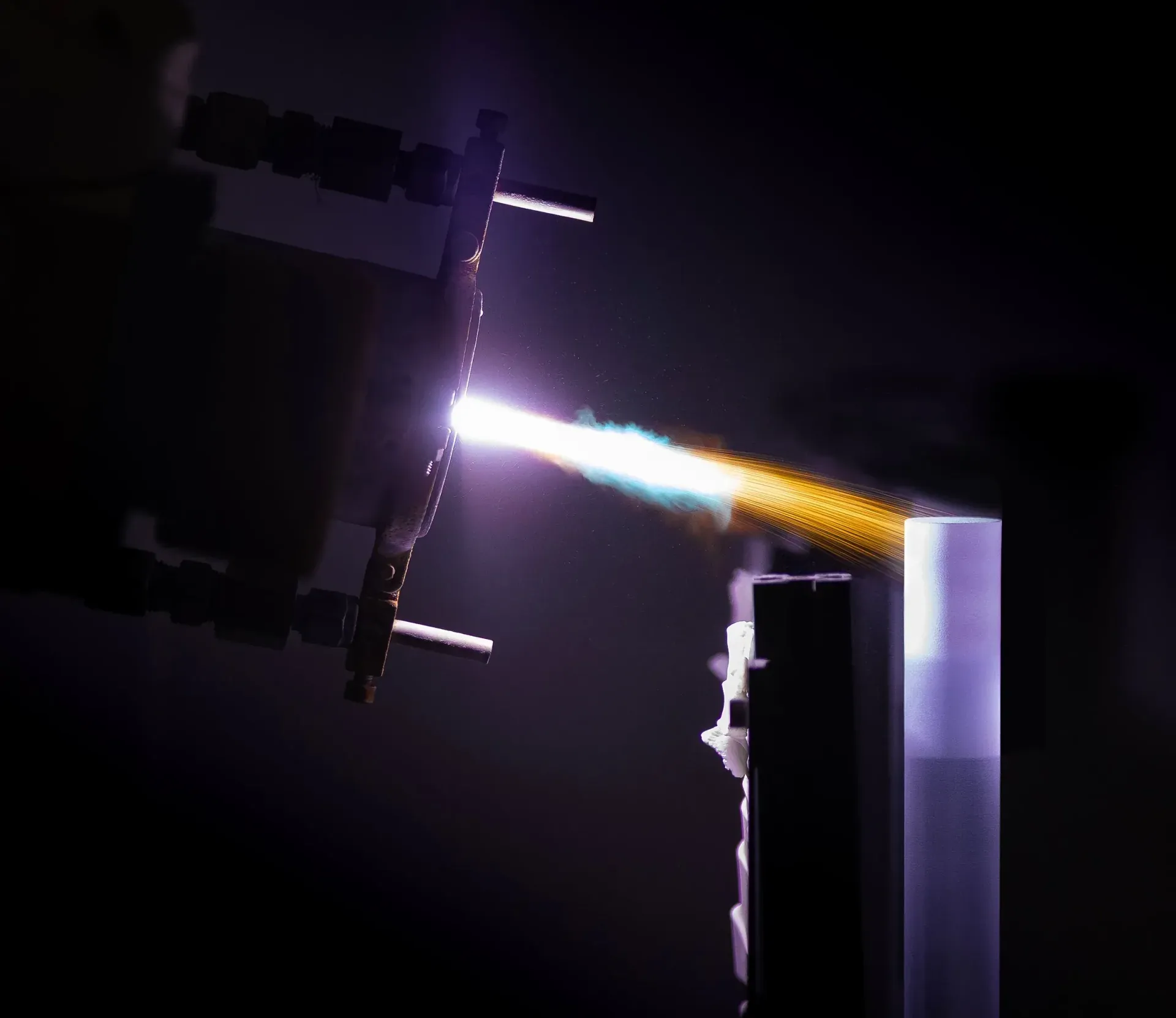
Electrical Functionality
Control conductivity, isolate components, and provide reliable electrical performance in demanding manufacturing and electronic applications.
Learn more
Surface Engineering & Adhesion Control
Modify friction, adhesion, release characteristics, and surface interaction properties to address complex manufacturing and operational requirements.
Learn more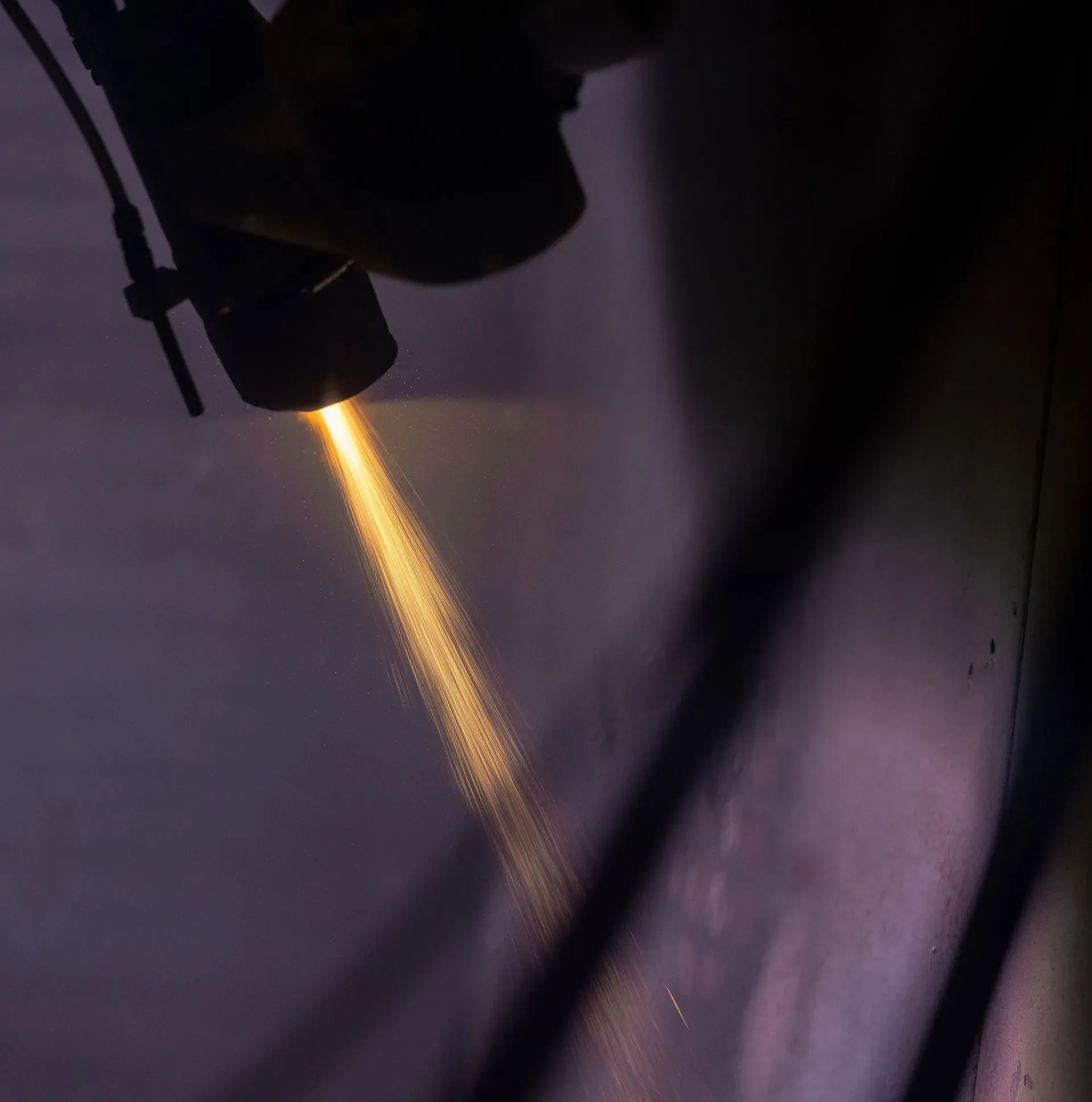
Chemical/Functional Enhancement
Optimize chemical resistance, adhesion characteristics, wettability, and functional performance for specialized application requirements.
Learn more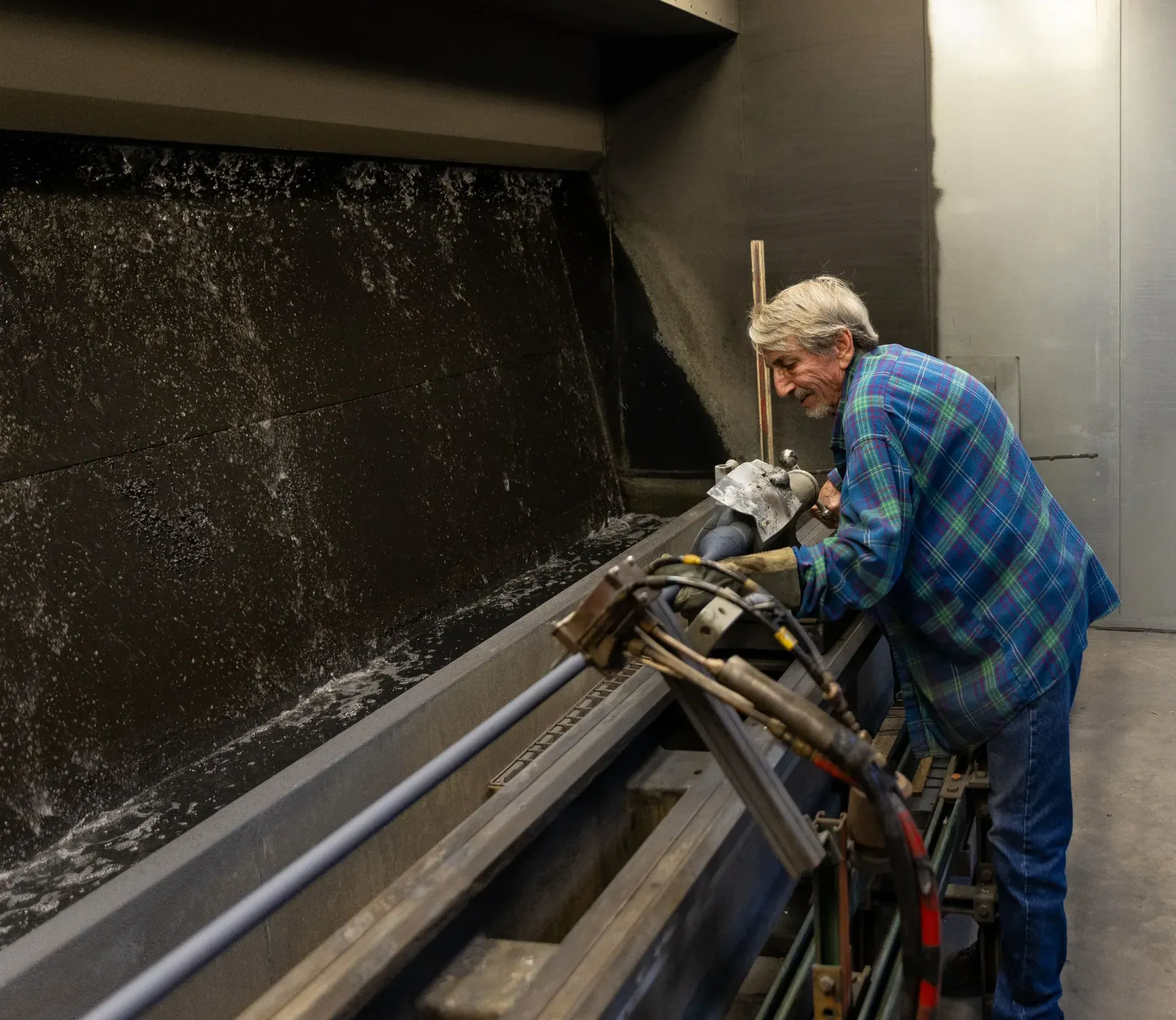
Restoration & Dimensional Repair
Restore worn surfaces, recover dimensional tolerances, and return high-value components to service while minimizing replacement costs and operational downtime.
Learn more